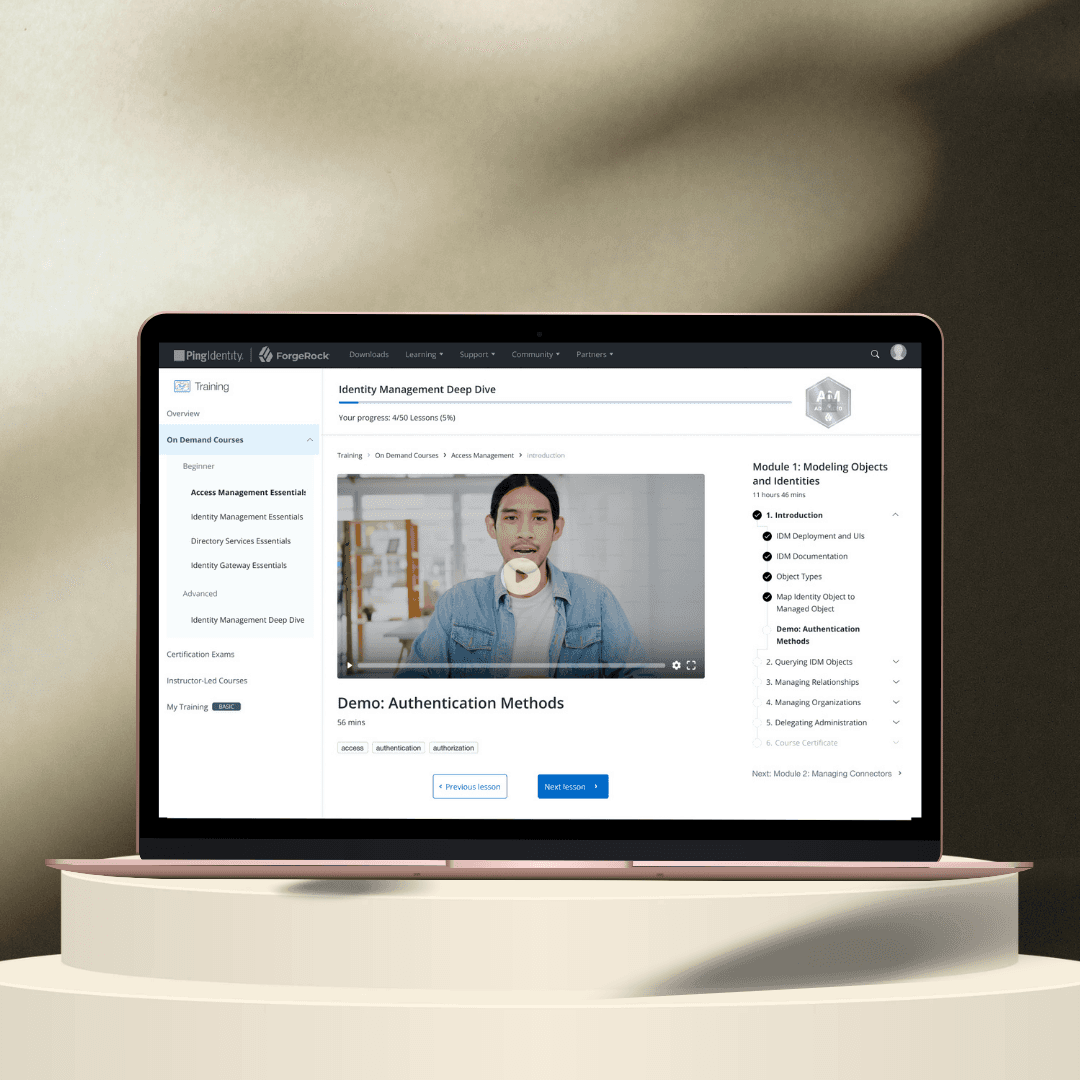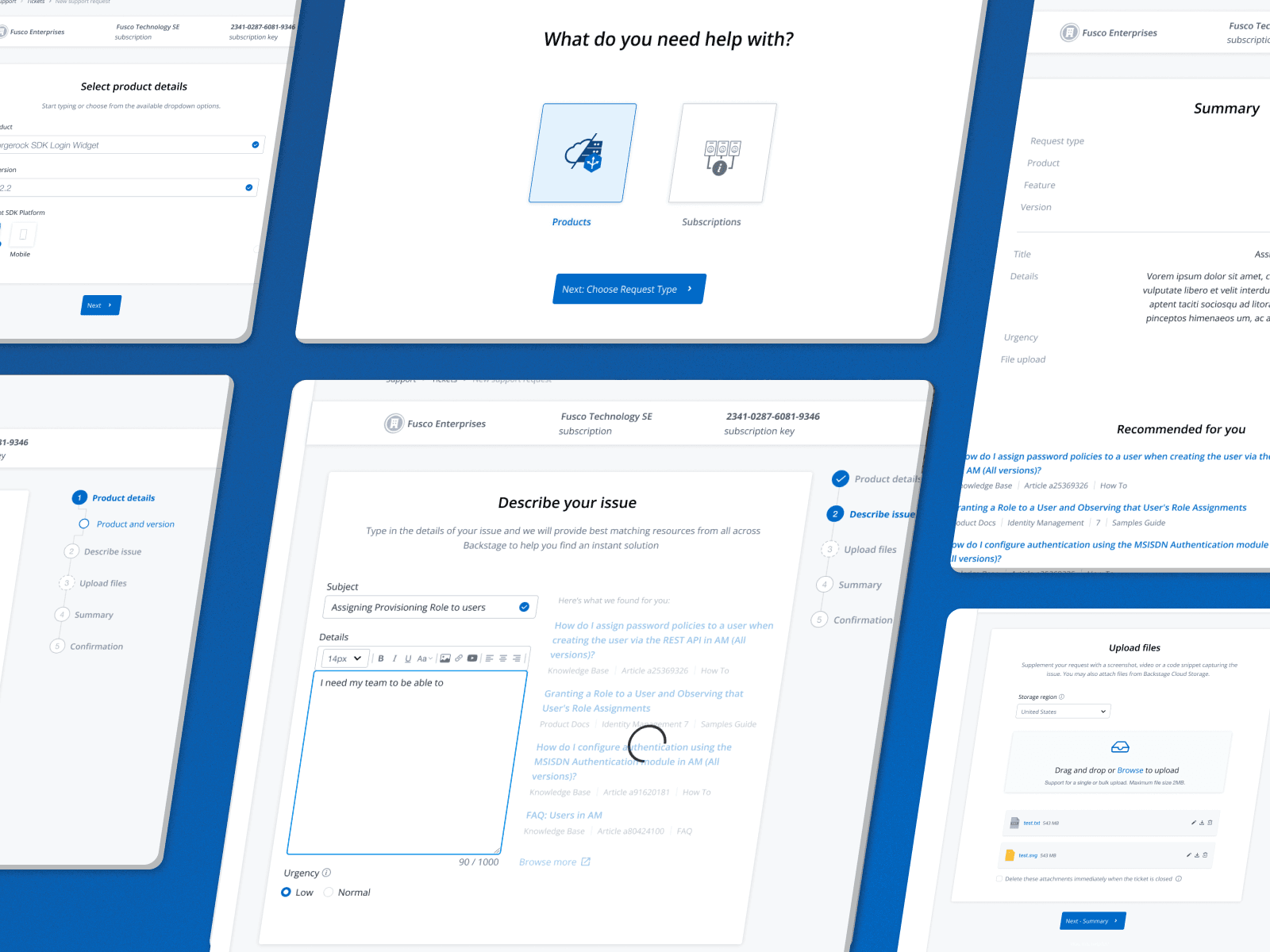
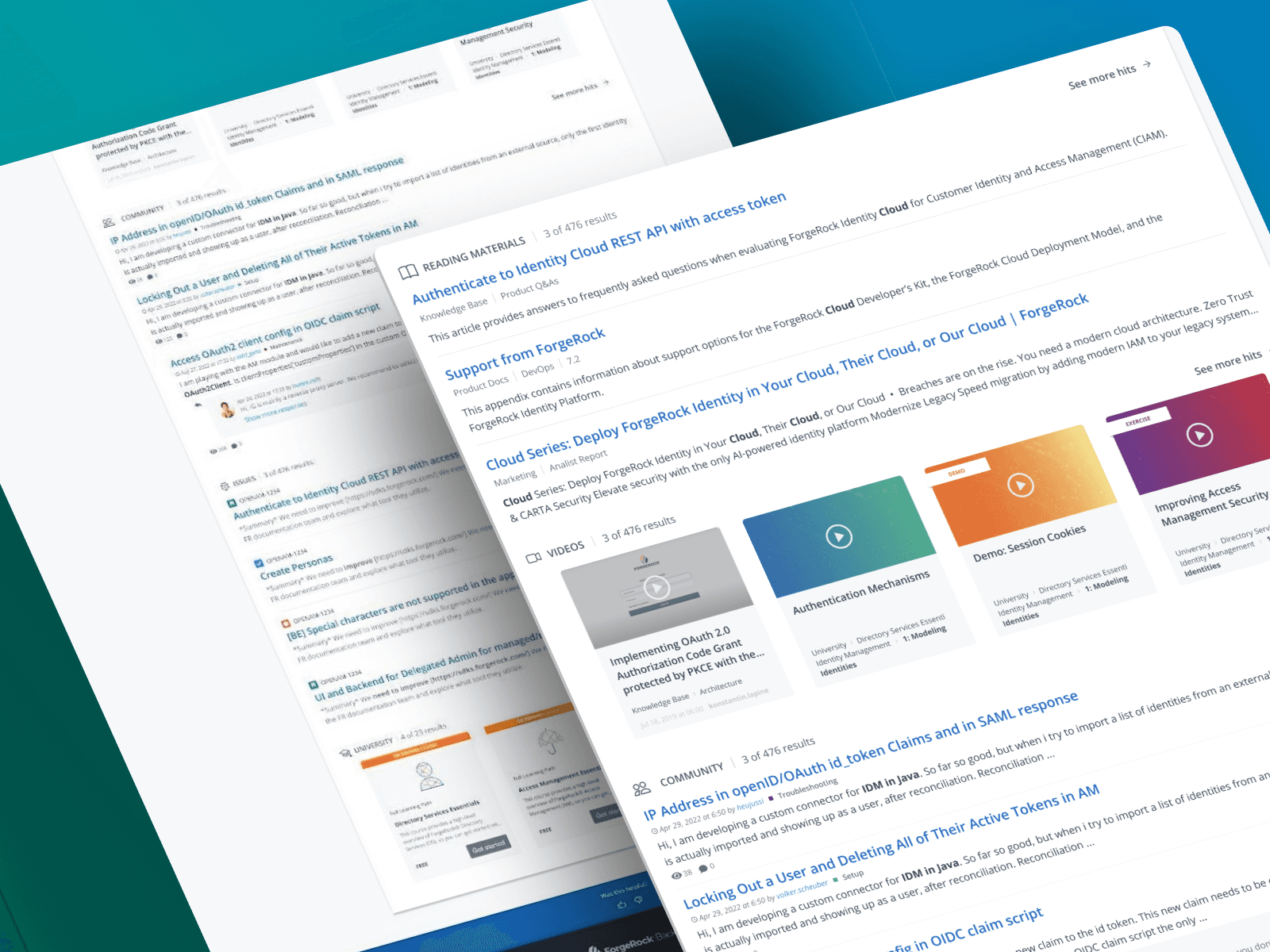
End-to-end redesign covering information architecture, content-type-specific result displays and a scalable filtering system, using the project as a foundation for a wider design system across search.
01Summary
Backstage Search served as the primary discovery experience across documentation, knowledge base content, community resources, training materials and support assets. As the platform expanded, the search experience became increasingly fragmented, making it difficult for users to identify relevant content and navigate between content types.
Ownership
I owned the end-to-end UX process and led the redesign of the search ecosystem, introducing a scalable information architecture, content-specific result patterns and a foundation for dynamic filtering. The project aim was to improve discoverability with machine learning and user centric design.
Key outcome
Scalable search experience supporting future content growth.
Success metrics
1/ Increased user satisfaction through search feedback scores.
2/ Improved discovery of previously under-utilised content.
3/ Foundation for future dynamic filtering capabilities.
02Problem framing
Users
The search experience served a diverse audience including customers, partners, internal employees, contractors, community members, and anonymous visitors.
Many users were exploring unfamiliar domains and often began their search without knowing exactly which content would best help them solve their problem.
Business Need
As content volume grew across multiple product areas, search became a critical entry point into the ecosystem. However:
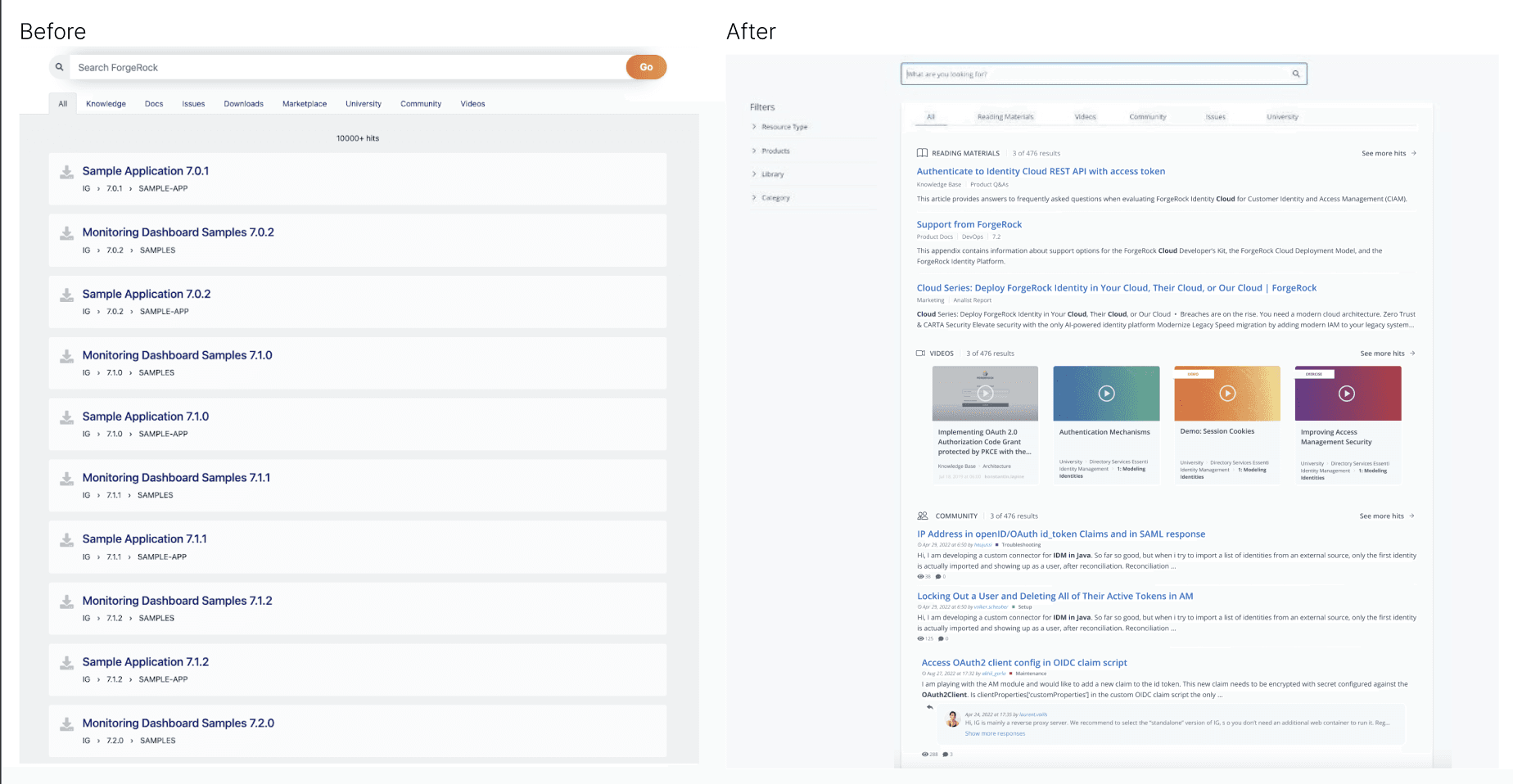
- Search results lacked consistency.
- Content types were difficult to distinguish.
- Filtering capabilities were limited.
- The experience no longer reflected evolving product and brand standards.
Why It Mattered
Search played a critical role in content discoverability, self-service adoption, and overall user satisfaction. When users were unable to quickly identify relevant information, friction extended beyond the search experience itself and impacted the broader support, learning, and knowledge ecosystem.
03Role, Team & Constraints
Stakeholders
Platform Team, Knowledge Delivery, Product Documentation, Community team
Constraints
- Existing search architecture relied on hard-coded filters.
- Multiple content sources required different presentation patterns.
- Future filtering requirements were not yet fully defined.
- Accessibility improvements had to be incorporated alongside visual redesign work.
04Research & Insights
Discovery workshops and stakeholder interviews revealed three key issues:
1/ Content Recognition - users struggled to understand where results originated from and how different content types related to one another.
2/ Discovery Friction - limited filtering options made it difficult to narrow large result sets.
3/ Information Density - result cards attempted to display too much information while still failing to surface the most useful metadata.
4/ Query match - no prioritisation of content most likely to help answering the query.
05Key Decisions & Tradeoffs
Decision 1: Content-Specific Result Patterns
Alternative: Maintain a single unified result layout.
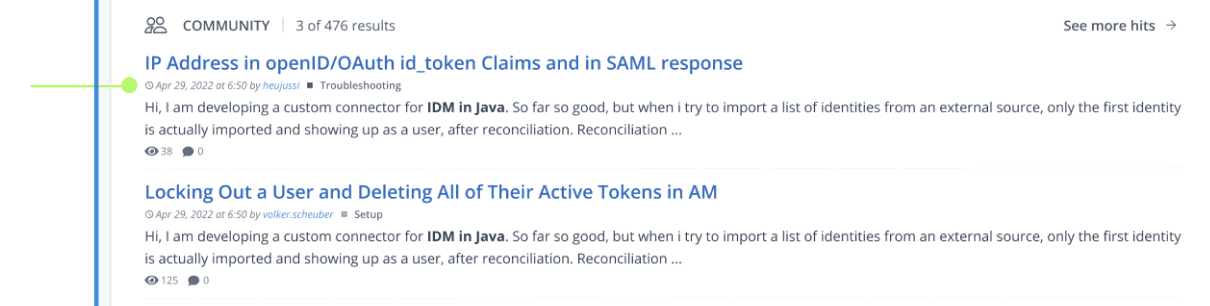
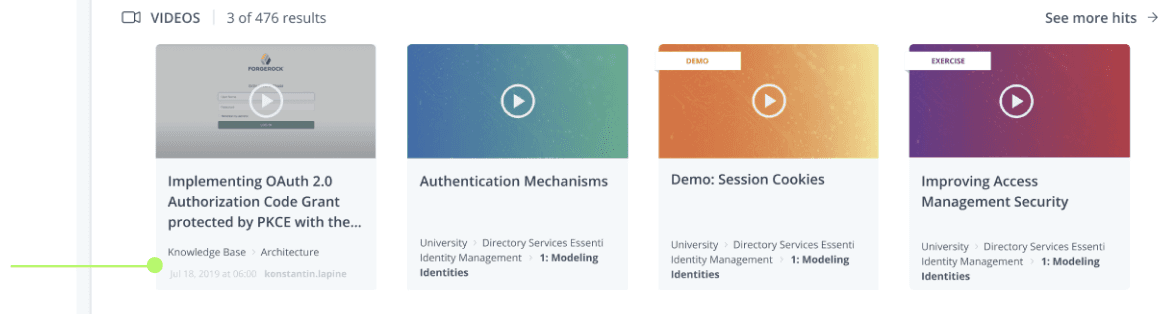
Different content types communicated value differently. Videos, documentation, community discussions and issue tracking all required different information hierarchies.
Decision 2: Resource Partitioning
Alternative: Present all results uniformly.
Chosen approach: Create clearly distinguishable content zones and visual identities.
This improved scanability and reduced cognitive load.
Decision 3: Future-Proof Filtering Framework
Alternative: Optimise only for current filtering needs.
Chosen approach: Design for future dynamic filtering.
This enabled the platform to scale alongside growing content complexity.
Evidence came from stakeholder workshops, content audits and evaluation of competitor search experiences
06Solution
Unified Search Architecture
A consistent framework connecting search entry points across the platform.
Content-Aware Search Results
Combined vs distinct result experiences for: Documentation, Knowledge Base, Community, University, Videos, Issues
Enhanced Filtering
A scalable filtering structure capable of supporting future dynamic filter logic.
Rich Metadata
Additional context, labels, status indicators and breadcrumbs improved content recognition and navigation.

Accessibility & Design System Alignment
The work established reusable patterns that later informed broader platform design system efforts. Interactive prototypes were created and validated with stakeholders before implementation.
07Results & Impact
The project directly supported goals around self-service adoption and content discoverability while creating a scalable framework for future platform growth. Besides improving search UI alone, this project established reusable design patterns, shared information architecture principles, foundations for a broader design system initiative.
Users could more easily identify content sources, navigate between content types, discover previously hidden resources, and refine results through improved filtering capabilities.
08Reflection & Next Steps
The most important lesson was recognising that search is fundamentally an information architecture challenge rather than a UI challenge.
Given additional time and resources, I would:
- Conduct behavioural analytics validation post-launch.
- Test adaptive filtering models.
- Explore personalised ranking based on user intent.
- Measure task completion and content discovery success more rigorously.
The long-term opportunity remains evolving search into a proactive discovery experience rather than a reactive retrieval tool.